
Importing Remanufactured Transmissions from China: The 2026 Buyer's Checklist
Importing Remanufactured Transmissions from China: The 2026 Buyer's Checklist
Most first-time buyers don't lose money on the unit price. They lose it on the details around it: a torque converter that doesn't match the transmission code, a crate that arrives with a cracked bell housing, a customs broker asking for a document nobody prepared, or a core charge that never gets credited. None of these are quality problems — they are process problems, and they are predictable.
This checklist covers the seven steps that decide whether a container of remanufactured transmissions arrives as inventory or as a claim. It is written for distributors, workshop chains and fleet buyers placing their first — or their fiftieth — order from China.
Step 1 — Confirm the Part, Not Just the Price
Transmission model names are not enough. Before a supplier quotes, send them:
- VIN, or at minimum model, year, engine and drive type;
- The transmission code stamped on the unit (for example RE4F03B, JF017E, 6T45);
- Whether the torque converter and TCU / mechatronic unit are included;
- Whether the vehicle is 2WD or 4WD, and any market-specific calibration.
A supplier who quotes in one line without asking these questions is quoting a category, not a part. Mismatched converters and TCU pairing are two of the most common reasons a correctly built unit still fails to work — and the reason returns get blamed on the remanufacturer instead of the ordering process.
Step 2 — Choose the Incoterm That Matches Your Role
| Incoterm | What it covers | Where risk transfers | Best for |
|---|---|---|---|
| FOB | Seller delivers to the named port and loads | On board at origin port | Experienced importers with their own forwarder |
| CIF | Seller pays freight and insurance to destination port | Still at origin port | Simple budgeting, but you carry marine risk on goods you can't inspect |
| DAP | Seller delivers to your named place | At destination | Buyers who want door delivery but handle their own customs entry |
| DDP | Seller handles everything, including duty | At destination | First orders where simplicity matters more than cost transparency |
The practical rule: choose based on who controls the customs entry in your country, because that is where the surprises live. A DDP quote that looks clean can hide duty assumptions that get re-billed to you later.
Step 3 — Get the Classification and Documents Right
Automatic transmissions and their components generally fall under HS 8708.40 — "gear boxes and parts thereof", a heading that also covers torque converters. The heading is consistent across most markets. The duty rate is not: it depends on your country, on the origin rules you can claim, and on whether a preferential agreement applies.
Two practical rules: ask for the HS code in writing on the commercial invoice, and confirm the rate with your own customs broker before you set a retail price.
A clean shipment needs a commercial invoice, packing list, bill of lading, certificate of origin (plus a preferential form if you claim one), and an accurate product description. Describe the goods as remanufactured, not as used auto parts — the wrong description is the fastest way to trigger an inspection or a refusal at the border.
Step 4 — Packaging Decides Your Defect Rate
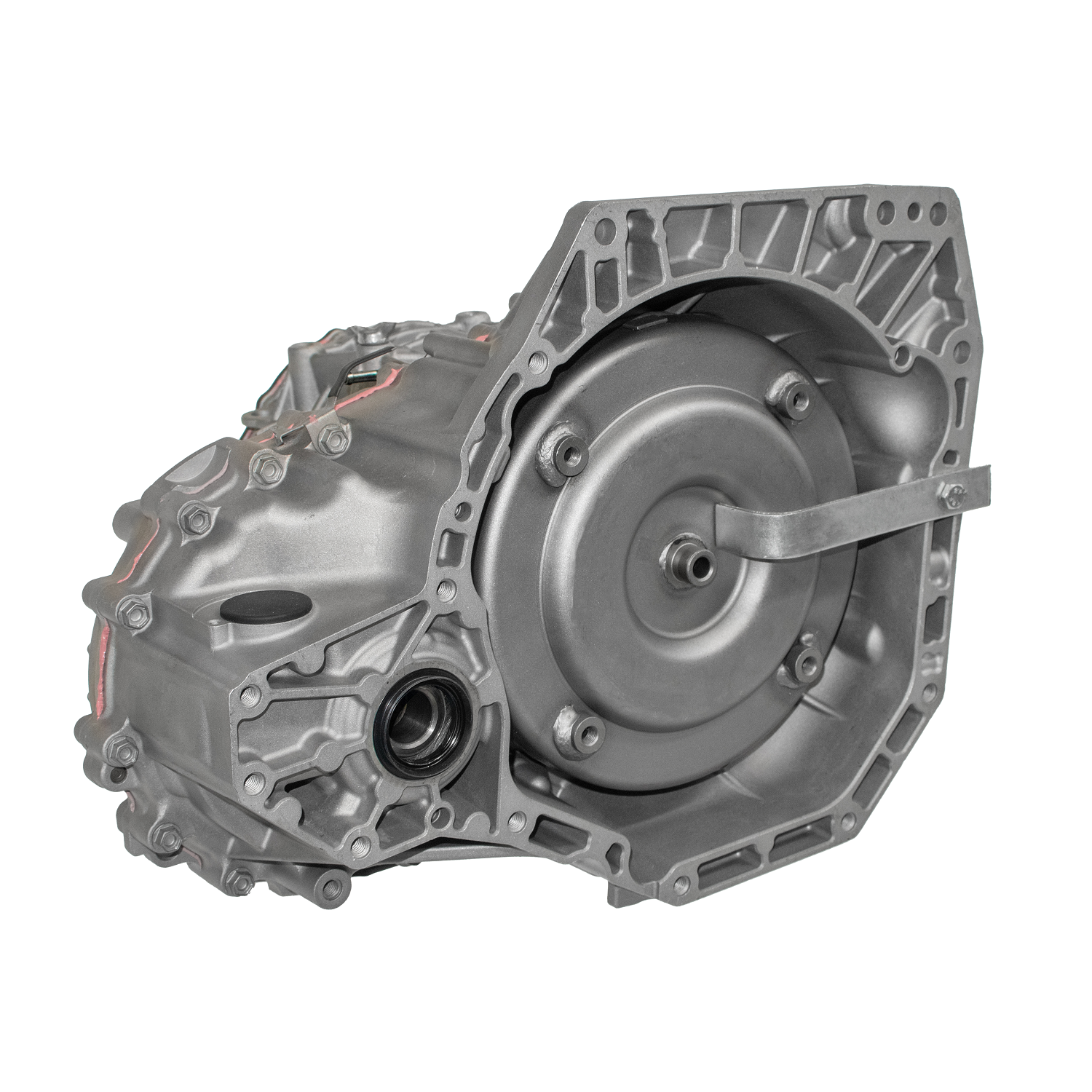
A 70–90 kg aluminium assembly travelling 10,000 km will be dropped. The only question is whether it survives. Require:
- Foam or custom-moulded inserts around the bell housing and output shaft;
- Sealed plugs on all fluid ports and a corrosion inhibitor on machined surfaces;
- A crate rated for the load, with the unit bolted or blocked — never loose;
- If solid-wood crating is used, the ISPM 15 heat-treatment mark;
- Shock or tilt indicators on high-value shipments.
Then ask for photos of the packed crate before it leaves. It costs the supplier two minutes and it is the cheapest insurance in the whole transaction.
Step 5 — Test Before It Ships, Not After It Lands
Require a unit-level test report, not a generic specification sheet. A dynamometer run carrying the unit's serial number, with input and output speed, line pressure and any stored fault codes, is verifiable evidence. Also ask for a short video of the unit running, photos of the serial plate, and — on larger orders — a third-party pre-shipment inspection.
If a supplier cannot produce a serial-linked test record, you are being asked to be their quality control.
Step 6 — Agree the Core and Warranty Mechanics in Writing
Core charges, credit terms and freight responsibility are where most disputes begin. Settle these before the first order:
- Is the core charge refundable, and against what condition?
- Who pays return freight — and is returning the core actually cheaper than scrapping it locally?
- What is the warranty period, what exactly does it cover, and what voids it?
- What evidence is required for a claim: photos, fault codes, test results?
- What is the committed response time for a claim?
Put all five in the proforma invoice or the contract. Chat messages are not a warranty.
Step 7 — Payment Terms That Protect Both Sides
Standard Chinese export practice is a T/T deposit with the balance before shipment, commonly 30/70. For a first order, a smaller trial shipment on those terms is a better risk decision than a large order at a discount. A letter of credit is worth the bank cost above a certain order value. Whatever discount is offered, avoid paying in full before pre-shipment inspection on a first order.
What a First Order Actually Looks Like
| Stage | Typical timing | What you should receive |
|---|---|---|
| RFQ and part confirmation | Week 0 | Written part match, including converter and TCU |
| Quotation and proforma | Week 1 | Price, Incoterm, HS code, core and warranty terms |
| Build and test | Weeks 2–3 | Serial-linked dyno report, unit photos |
| Packing and balance payment | Weeks 3–4 | Crate photos, packing list, documents |
| Sea freight | Weeks 4–6 | Bill of lading, arrival notice |
| Customs and delivery | Week 6+ | Cleared goods |
Lead time depends heavily on whether the unit is in stock or built to order. Air freight is only rational for urgent single units — the cost per kilogram rarely justifies it for a container.
Five Mistakes That Cost the Most
| Mistake | What it costs | The fix |
|---|---|---|
| Ordering by model name only | Wrong converter or TCU pairing, failed installation | Send VIN plus the stamped transmission code |
| Choosing DDP without checking who files entry | Re-billed duty and hidden fees | FOB with your own broker, or confirm DDP scope in writing |
| Accepting a pallet photo as packing confirmation | Transit damage and DOA units | Demand photos of the closed, banded crate |
| No serial-linked test record | Unprovable warranty claims | Require the dyno report with the serial number |
| Verbal core terms | Lost credit, disputed invoices | Write core terms into the proforma |
Where to Verify This in Person
If you would rather verify a supplier than read about one, the calendar helps. Automechanika Shanghai 2026 runs 2–5 December at the National Exhibition and Convention Center, with 7,600 exhibitors across seven product sectors — including an expanded Remanufacturing Zone that now covers NEV components such as power batteries, electric motors and electronic control systems. Free visitor pre-registration closes on 31 October 2026.
Standing next to a dynamometer and watching a unit run tells you more than any brochure. Our show guide covers halls, dates and logistics.
About WWT
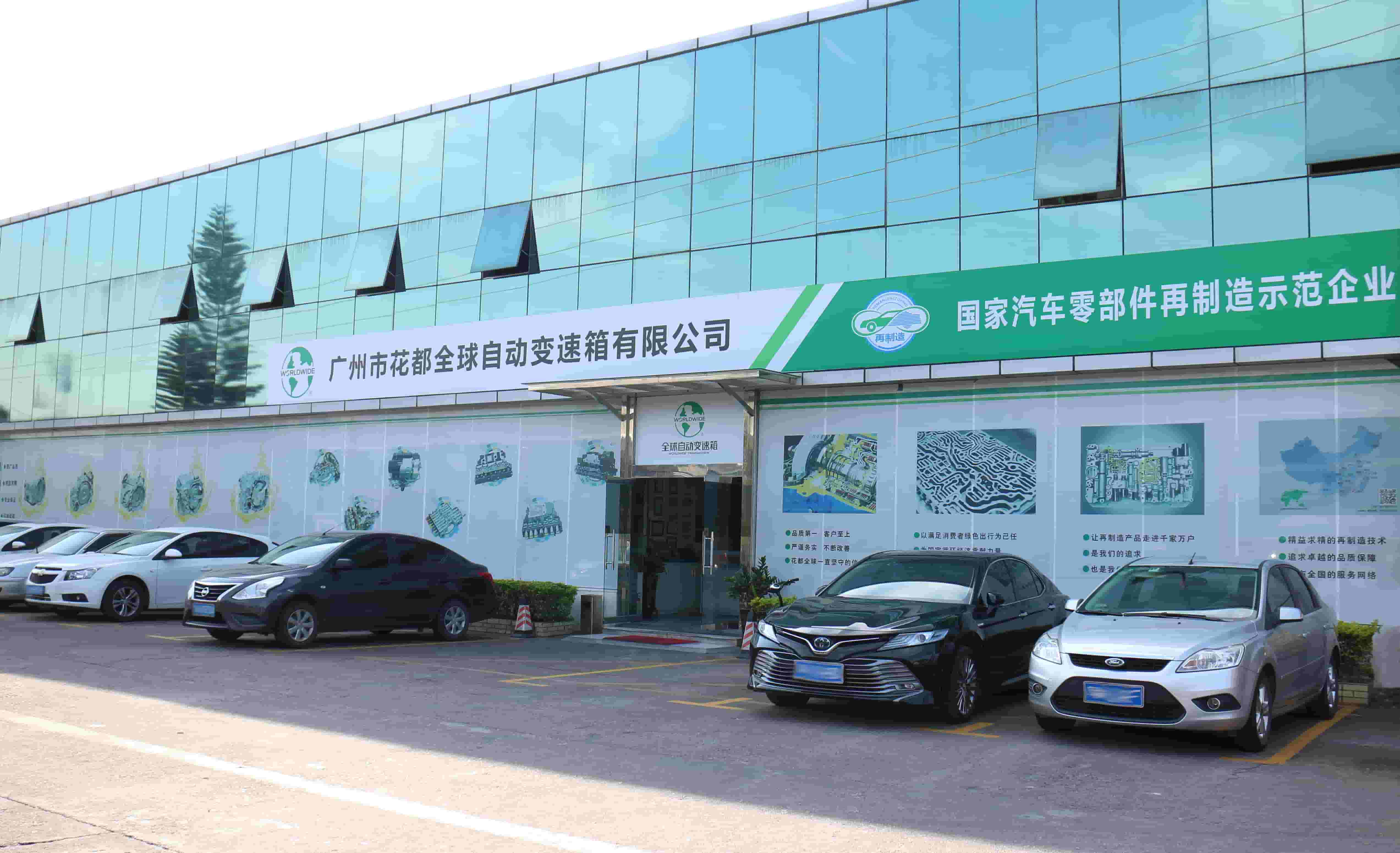
WWT (Guangzhou Huadu Worldwide Automatic Transmission Co., Ltd.) is China's first automatic transmission remanufacturing enterprise. The company holds 4 invention patents and 30 utility patents, serves 20+ automotive manufacturers, and is authorized by the top three global automatic transmission manufacturers. Its 20,000 m² plant and 1,000+ employees run a full 11-step remanufacturing process — from disassembly and component measurement to dynamometer testing — covering:
Comparing quotes for your parts list? Send us the transmission codes and VINs — we reply within 24 hours with part matching, test documentation and a landed-cost quotation.
FAQ
What HS code do remanufactured automatic transmissions use?
Most fall under HS 8708.40, "gear boxes and parts thereof", which also covers torque converters. Confirm the code and the applicable duty with your customs broker, because rates vary by destination and origin rules.
Can I import a single unit as a sample?
Yes. Single units normally move by air express. Expect a high cost per kilogram — treat the first unit as an evaluation cost, not a sourcing channel.
Who pays for core return freight?
It is negotiable and should be written down. Some suppliers credit cores against a future shipment; others require the buyer to cover return freight. In some markets scrapping the core locally is cheaper than shipping it back — run the numbers before you promise a customer a core credit.
How do I verify the transmission code before ordering?
Read the plate or sticker on the unit itself, decode the VIN, and cross-check against the supplier's parts catalogue. Send a photo of the plate with the inquiry — it removes almost all part-match risk.
Which Incoterm is best for a first order?
FOB if you have a forwarder and want to control costs. DAP if you want door delivery and are comfortable handling your own customs entry. Use DDP only when the supplier's scope is written down explicitly.
How long does shipping from China take?
Sea freight is typically several weeks port to port, plus customs clearance at destination. Exact transit time depends on the route and the sailing schedule — ask for the booked vessel and ETA rather than a general estimate.
Sources
- World Customs Organization — HS nomenclature, heading 8708.40
- International Chamber of Commerce — Incoterms 2020
- Messe Frankfurt — Automechanika Shanghai 2026 press release, 21 September 2026
- IPPC — ISPM 15 standard for wood packaging material
Transmission Core Charges Explained: How Credit, Grading and Returns Work
Remanufactured vs New Transmission: 5 Reasons Buyers Choose Reman
Related Article
