
Transmission Core Charges Explained: How Credit, Grading and Returns Work
Transmission Core Charges Explained: How Credit, Grading and Returns Actually Work
Ask ten buyers what a core charge is and you will get ten versions of "a deposit on the old unit" — usually followed by a story about a credit that never arrived. The mechanism is simple; the disputes come from the details nobody wrote down.
A core charge is not a fee, and it is not a discount. It is the price of the raw material the remanufacturing industry runs on. Understanding how it is calculated, how cores are graded, and where the money actually stops is the difference between a clean return and a write-off.
What a Core Charge Actually Is
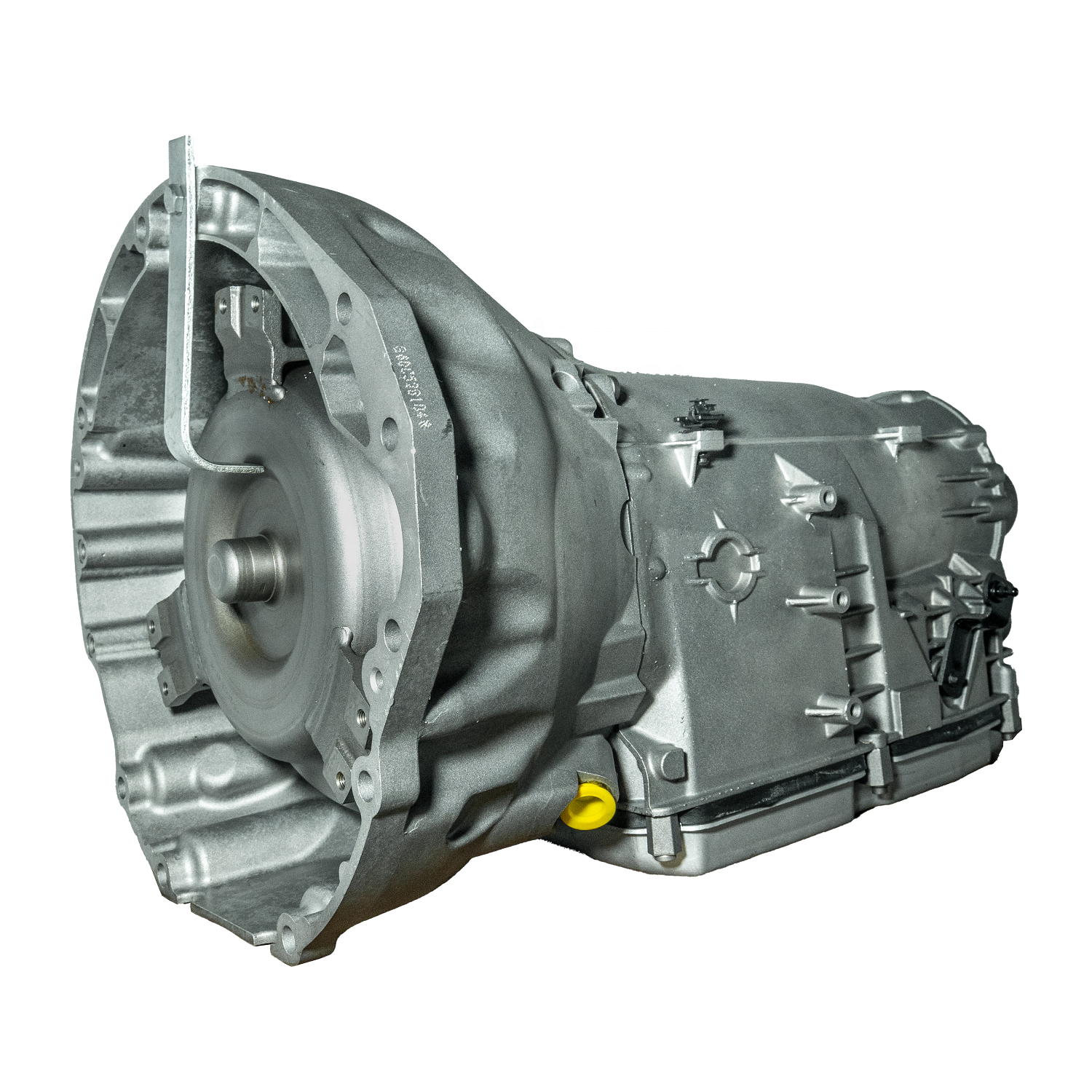
A remanufacturer does not make a transmission from new castings. It rebuilds an existing one. That used unit — the core — has real value: the aluminium case, the machined shafts, the valve body, the gears, the harness. When you buy a remanufactured unit, you receive one core's worth of value and you hold one core that belongs back in the loop.
The core charge is how that loop is enforced. You pay a deposit at the point of sale; you get it back when a rebuildable unit comes back. Three consequences follow:
- The charge is refundable, not a markup. A supplier that never credits cores is not selling remanufacturing — it is selling new parts with extra steps.
- The charge prices rebuildability, not the unit. A cracked case and a complete, dry, correct-model core are not worth the same, which is why "full refund" promises need a grading clause behind them.
- The clock matters. Core credit windows are usually tied to a return period, and the period starts at delivery, not at installation.
How the Charge Is Calculated
There is no universal percentage. The deposit is set per part number, and it reflects four things:
| Factor | What it does to the charge |
|---|---|
| Rebuildable value of the core | Higher for units with reusable case, shafts, valve body and gears |
| Scarcity of that core in the market | Popular models with thin core supply carry higher deposits |
| Cost of getting the core back to the plant | Long routes and small volumes push the charge up |
| Risk of loss or non-return | A distributor with a reliable return history can negotiate a lower charge |
This is why the same transmission can carry different core charges from two suppliers: they are pricing different return routes and different loss experience, not different hardware.
How Cores Are Graded
Grading is the part buyers underestimate. Most remanufacturers assess a returned core against four questions:
- Is the case intact? Cracks, stripped threads and broken mounting ears are usually terminal.
- Is it complete? Missing valve body, converter, sensors, harness or covers reduce value sharply.
- Is it dry and uncorroded? Water ingress and long outdoor storage are the most common silent killers — rust on machined surfaces can make a unit unrecoverable.
- Is it the right unit? A different model code, or a unit from a different drive configuration, cannot enter the same rebuild line.
In practice most suppliers work with a small number of outcomes: full credit, partial credit, and no credit (scrap). The important question is not whether grading exists — it always does — but who decides, on what written criteria, and with what appeal route.
What Kills a Core's Value
- A cracked or holed case from an accident or a dropped unit;
- A unit that has been opened and partly disassembled, with parts missing;
- Water or coolant ingress, or a unit stored outside for months;
- Fire damage or overheating severe enough to distort the case;
- A different model code than the one invoiced;
- A core returned without the torque converter or valve body the program requires.
Most of these are avoidable. The single most effective habit is to inspect and photograph the core at the moment it comes out of the vehicle, before it goes into a corner of the workshop where it will be forgotten.
Return Freight: When It Is Worth It
This is the decision buyers get wrong most often. A core is heavy, and freight is charged by weight and volume. Before committing to a return, compare:
- the core credit you would receive;
- the freight cost to send it back, including export documentation;
- the value of the scrap metal if you sell it locally;
- the cost of storing it while you wait to consolidate a shipment.
For a high-value, popular model, returning the core is obviously right. For a low-value, damaged or heavy unit on a long route, local scrap plus honest reporting is often the cheaper and cleaner outcome — provided your supplier's terms allow it and the credit level was priced accordingly. Ask the question at quotation stage, not after the core is sitting on your floor.
Designing a Core Policy That Works
If you are the distributor, insist on these six points in writing:
- Deposit amount per part number, stated separately from the unit price;
- Grading criteria, in enough detail that you can predict the outcome before shipping;
- Return window, with a clear start date and what happens at the boundary;
- Freight responsibility, both directions, including who handles export paperwork;
- Credit mechanism — cash refund, credit note, or offset against the next order — and the timeline;
- Dispute route — photos, independent assessment, and a named contact.
If a supplier cannot state all six, the core charge is effectively non-refundable and should be treated as part of the unit price when you calculate your margin.
Five Habits That Protect Your Core Credit
- Photograph every core on removal, including the model plate and all four sides;
- Keep cores dry, indoors, with ports plugged;
- Never strip a core for parts "just in case" — an incomplete core is worth far less;
- Log the delivery date of every unit so the return window does not lapse unnoticed;
- Consolidate returns into one shipment rather than sending singles at retail freight rates.
Red Flags in a Supplier's Core Terms
- "Core credit subject to inspection" with no published criteria;
- A return window shorter than a normal sea freight cycle;
- Credit issued only against a future order, with no cash option;
- No answer to the question "what happens if the core is graded as scrap?".
None of these are automatically disqualifying — but each one shifts risk to you, and all of them are negotiable before the first invoice.
About WWT
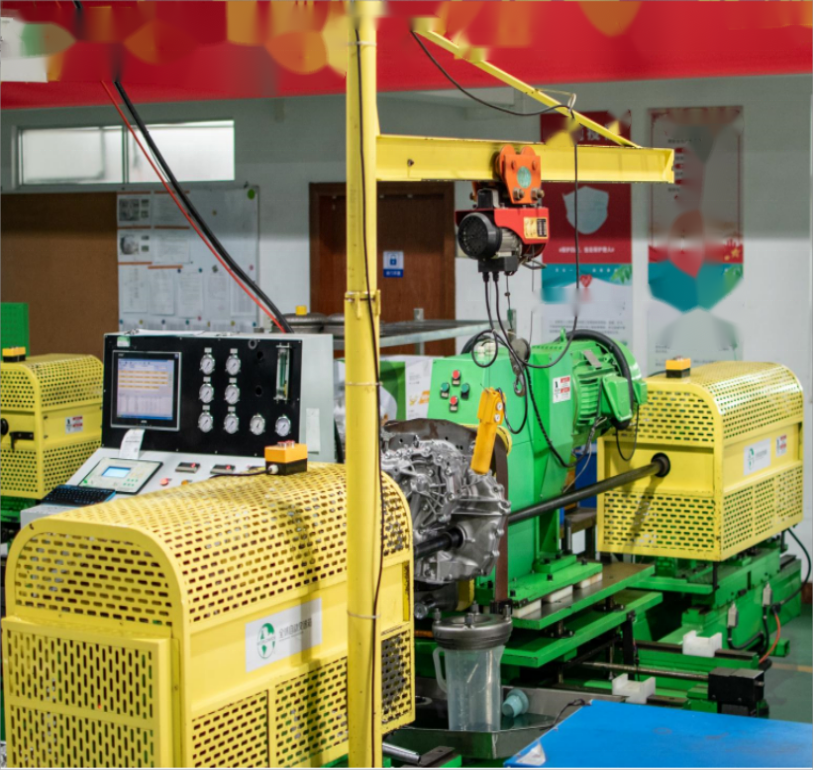
WWT (Guangzhou Huadu Worldwide Automatic Transmission Co., Ltd.) is China's first automatic transmission remanufacturing enterprise. The company holds 4 invention patents and 30 utility patents, serves 20+ automotive manufacturers, and is authorized by the top three global automatic transmission manufacturers. Its 20,000 m² plant and 1,000+ employees run a full 11-step remanufacturing process — from disassembly and component measurement to dynamometer testing — covering:
Core terms, grading criteria and return logistics are quoted per part number. Send us your parts list and we will include the core position in the quotation, not after it.
Planning to source in person? Automechanika Shanghai 2026 runs 2–5 December at NECC Shanghai. See our show guide for halls and logistics, and our import checklist for the documentation side.
FAQ
Is a core charge refundable?
Yes — it is a deposit, refundable when a rebuildable core is returned within the agreed window and meets the supplier's grading criteria. Confirm those criteria in writing before ordering.
What happens if my core is damaged?
It is graded, not automatically rejected. Minor issues may attract partial credit; a cracked case or a missing valve body usually means no credit. Ask for the grade and the reason in writing.
Who pays return freight for cores?
It is negotiable. Many programs split it, credit it against a future order, or price the core charge to include return freight. Decide at quotation stage and get it into the proforma invoice.
Can I scrap the core locally instead of returning it?
Often yes, if your supplier agrees and the credit level was set accordingly. Compare the credit value against freight and local scrap value — for low-value or damaged units, local disposal is frequently the cheaper route.
Does the core charge affect my warranty?
No, they are separate. The warranty covers the remanufactured unit; the core charge covers the return of the old one. Mixing the two in one clause is a common source of disputes.
How long do I have to return a core?
Return windows vary by supplier and are usually counted from delivery. Because sea freight alone can consume several weeks, confirm that the window realistically fits your shipping cycle.
Further Reading
Importing Remanufactured Transmissions from China: The 2026 Buyer's Checklist
Related Article
