
Remanufactured Transmission Market 2026: Size, Trends & What Buyers Need to Know
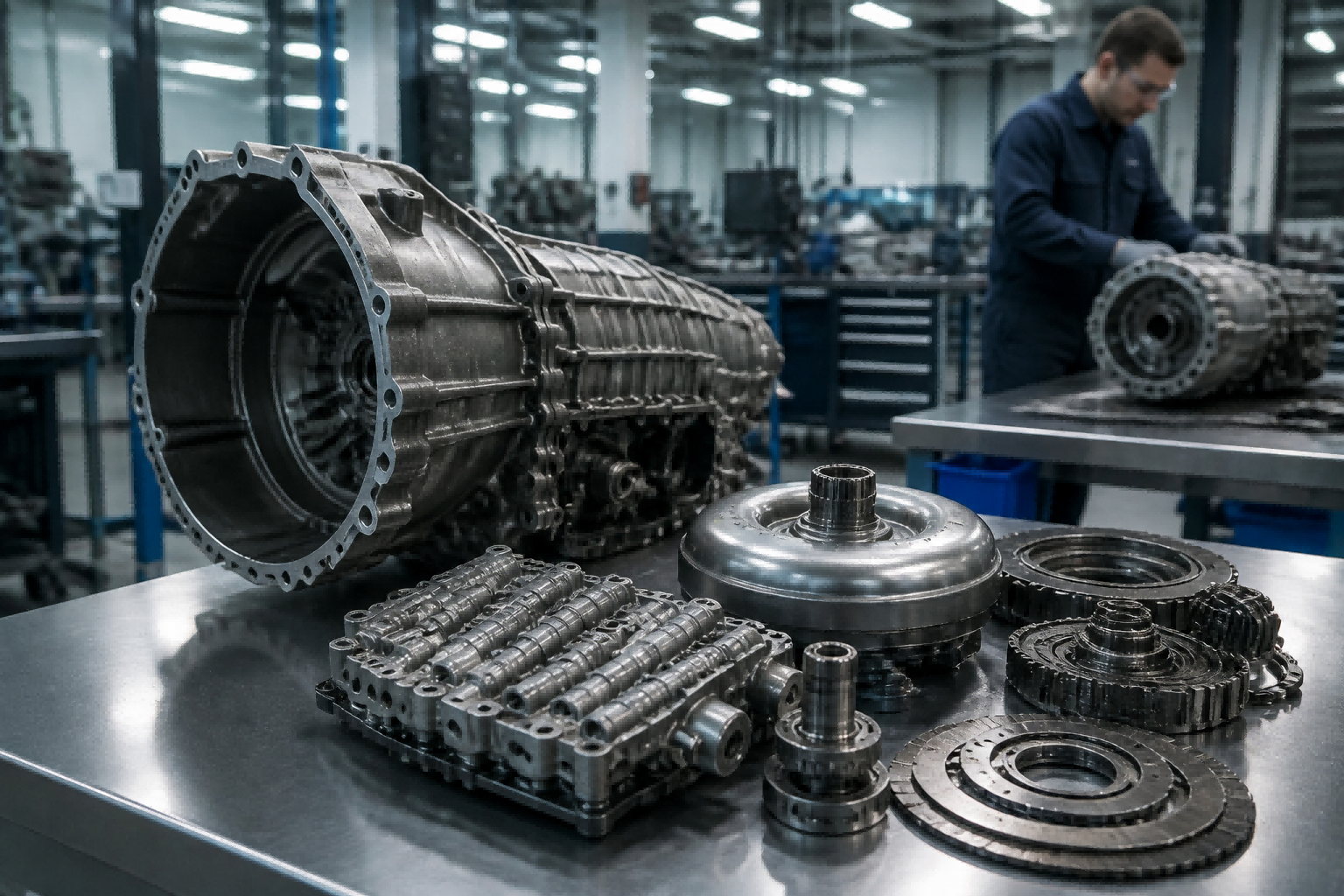
Remanufactured Transmission Market 2026: Size, Trends & What Buyers Need to Know
Automatic transmissions are among the most complex and expensive components in a modern vehicle. As new-car prices climb, drivetrains become more sophisticated, and sustainability regulations tighten, a growing number of vehicle owners, repair shops, and fleet operators are choosing a smarter alternative: remanufactured transmissions — used units restored to like-new, OEM-specification condition at a fraction of the cost of a new unit.
The market data confirms this shift is accelerating. According to industry research, the global remanufactured transmission market was valued at USD 8.08 billion in 2026 and is projected to reach USD 10.29 billion by 2030, growing at a compound annual growth rate (CAGR) of 6.2%. In this article, we break down the 2026 market landscape, the forces driving demand, the technology trends reshaping the industry, and what buyers should look for when sourcing a remanufactured transmission.
Remanufactured Transmission Market Size & Forecast 2026–2030
The remanufactured transmission segment sits inside a much larger, fast-growing remanufacturing economy:
| Metric | Figure | Source |
|---|---|---|
| Global remanufactured transmission market | USD 8.08B (2026) → USD 10.29B (2030), 6.2% CAGR | The Business Research Company / Research and Markets, 2026 |
| Global automotive remanufacturing market | USD 86.93B (2026) → USD 184.99B (2034), 9.9% CAGR | Fortune Business Insights |
| Engine & transmission remanufacturing service programs | 5.6% CAGR, 2026–2036 | Future Market Insights, Jun 2026 |
| Global transmission repair & replacement market | USD 227.99B (2026) → USD 296.76B (2034) | Straits Research, Jul 2026 |
| Electric vehicle transmission market | USD 19.70B (2026) → USD 48.38B (2033) | Coherent Market Insights |
In other words: repair and replacement demand is enormous, remanufacturing is growing roughly twice as fast as the overall repair market, and even electrified drivetrains — which many assumed would kill the transmission business — are generating their own remanufacturing opportunities.

5 Key Drivers Behind the Growth in 2026
1. New transmissions are getting more expensive. Modern automatics (8- and 10-speed units, CVTs, and DCTs) are precision systems packed with electronics. Replacing one with a brand-new unit can approach or even exceed the value of the vehicle itself. Remanufactured units typically cost 30–50% less than new OEM parts, making them the economically rational choice for both workshops and end customers.
2. Hybrids and EVs are expanding the remanufacturing pool — not shrinking it. Hybrid vehicles are no longer a niche. eCVT units, hybrid DCTs, and 8/10-speed hybrid transmissions combine mechanical gears with electric motors and power electronics — and they are expensive to replace. Meanwhile, multi-speed transmissions are appearing in high-performance and heavy EVs. As reported by Automotive News, major automakers are redirecting billions of dollars in investment toward hybrid engine and transaxle capacity. More hybrids on the road means a growing installed base of complex transmissions that will eventually need service and remanufacturing. Notably, the EV transmission market alone is forecast to grow from USD 19.70 billion in 2026 to USD 48.38 billion by 2033.
3. Sustainability and circular economy policies. Remanufacturing conserves up to roughly 85% of the energy and raw materials required to build an equivalent new part, according to industry estimates. With stricter emissions regulations, right-to-repair movements, and green procurement policies across the EU, North America, and Asia, remanufactured components are increasingly specified by insurers, fleets, and government buyers.
4. Supply chain resilience. Global supply disruptions have taught the aftermarket a hard lesson: OEM mechatronic units, valve bodies, and control modules can have long lead times. Remanufacturing shortens the supply chain and keeps critical components available.
5. Aging vehicles, longer ownership. Rising vehicle prices are pushing owners to keep cars longer, and the transmission repair market — USD 227.99 billion in 2026 — keeps growing. For a vehicle worth keeping, a warrantied remanufactured transmission is a cost-effective alternative to replacing it with a new unit.
2026 Transmission Technology Trends Every Buyer Should Watch
Industry analysts point to five trends defining the transmission landscape in 2026:
- Hybrid transmissions are becoming the new standard across passenger cars and light commercial vehicles. These units manage energy flow between the combustion engine and electric drive, requiring specialized diagnostic and parts knowledge.
- More software, less metal. Shift strategies, torque management, and even wear compensation are now handled electronically. Mechatronic units, TCUs, and valve bodies are the "brains" of the transmission — and they are precisely the components that remanufacturing specialists like WWT rebuild and test to OEM specifications.
- Multi-speed gearboxes for EVs. Two- and three-speed units are entering high-performance and heavy EVs, creating a new service and remanufacturing segment.
- Efficiency and low-emission focus. Longer gear ratios, reduced internal friction, and advanced low-viscosity transmission fluids mean correct fluid specification and precise rebuild tolerances matter more than ever.
- Remanufacturing demand keeps rising. As transmissions become more complex and expensive, cost-effective, quality-assured remanufacturing is the sustainable answer — a trend that directly benefits specialists in the field.
Remanufactured vs. New Transmission: Why Buyers Choose Reman
| Comparison | Remanufactured | New |
|---|---|---|
| Cost | Typically 30–50% less than a new unit | High; can exceed the vehicle's residual value |
| Quality standard | Restored to OEM specification; worn parts replaced | Factory-new |
| Lead time | Usually shorter; stock available | May be long due to supply chain |
| Environment | Saves up to ~85% of energy and materials | Full new manufacturing, higher footprint |
| Warranty | Written warranty from reputable remanufacturers | Factory warranty |
For vehicle owners, workshops, and distributors, the calculation is straightforward: a professionally remanufactured transmission delivers OEM-specification quality and warranty coverage at a substantially lower cost — and it keeps vehicles on the road instead of in the scrapyard.
How a Quality Remanufactured Transmission Is Built
Not all "rebuilt" or "remanufactured" transmissions are equal. A genuine remanufacturing process follows a strict, documented workflow. At WWT — China's first automatic transmission remanufacturing enterprise — every unit passes through an 11-step process:
- Sand Blasting
- Disassembling
- Cleaning
- Inspection & Classification
- Solenoid Testing
- Valve Body Assembly
- Torque Converter Repair
- Assembly
- Assembly Testing
- Final Inspection
- Storage
Every worn or non-conforming component is replaced with new parts, and each finished unit is tested before leaving the factory. This is the difference between a remanufactured transmission you can trust and a "used transmission with new seals." Learn more about our transmission assemblies and valve bodies.
How to Choose a Reliable Automatic Transmission Remanufacturer
Whether you are a workshop, a distributor, or a fleet buyer, use this checklist:
- OEM authorization & experience: Has the remanufacturer been authorized by major global transmission manufacturers? WWT is authorized by the top 3 global automatic transmission manufacturers.
- Engineering capability: Patents and R&D matter. WWT holds 4 invention patents and 30 utility-model patents.
- Scale and capacity: A 20,000 m² factory, 1,000+ staff, and 32 branches nationwide mean consistent quality and reliable supply.
- Testing equipment: Full assembly testing and solenoid/valve body testing are non-negotiable.
- Warranty & after-sales support: Insist on a written warranty and responsive support.
- Export experience: For international buyers, customs compliance, packaging, and shipping reliability are critical. WWT has served 20+ automobile manufacturers in China and exports globally.
Why WWT (Huadu Worldwide Automatic Transmission Co.)?
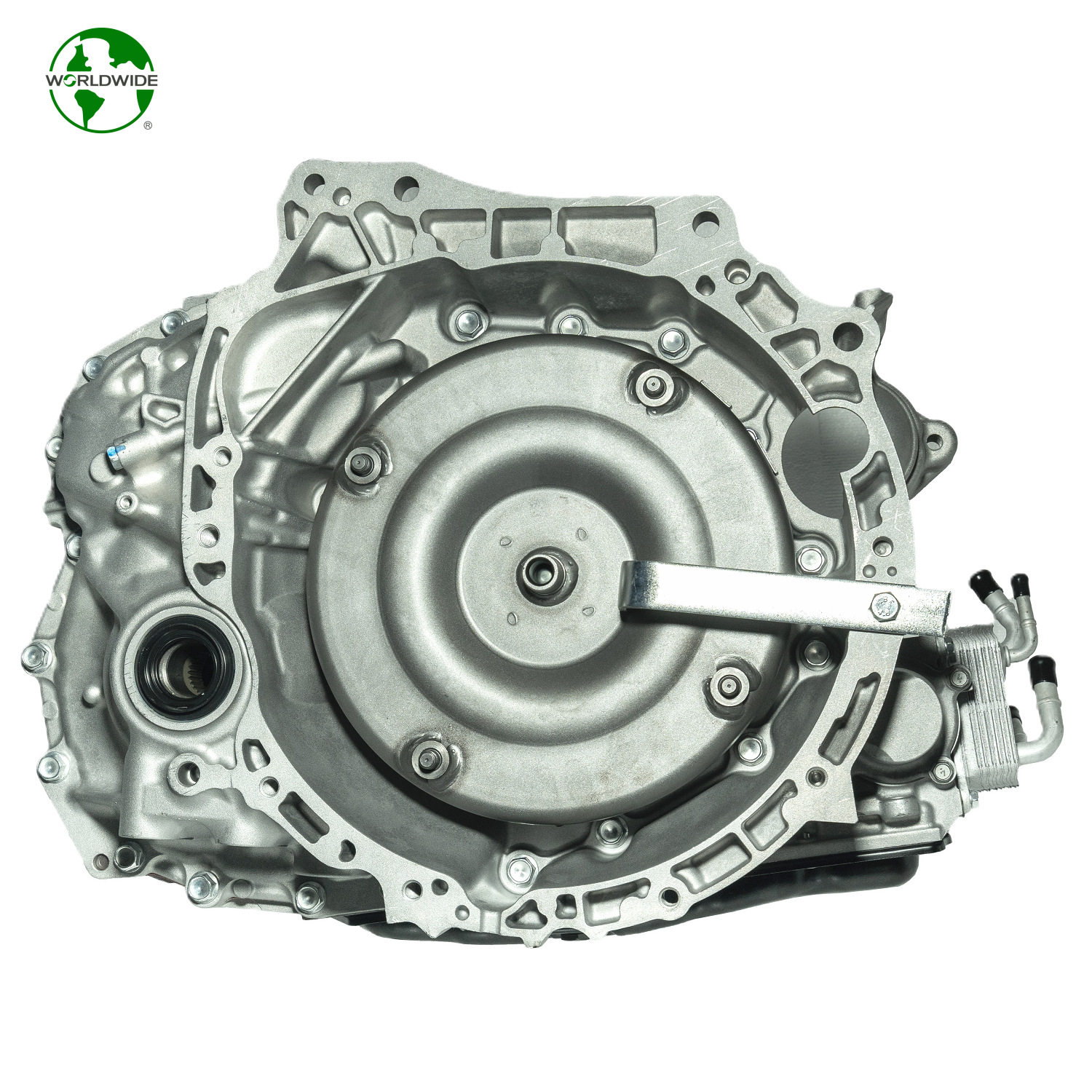
WWT is the first automatic transmission remanufacturing enterprise in China and a leading global supplier of remanufactured transmission assemblies, valve bodies, CVT series components, mechatronic units, and TCUs — including components for new-energy vehicles. With 20+ years of domain focus, authorization from the top 3 global automatic transmission manufacturers, and a full 11-step remanufacturing process, WWT delivers OEM-specification quality with the cost and sustainability advantages of remanufacturing.
Transmission Assemblies | Valve Bodies | Transmission Control / TCU
Ready to source remanufactured transmissions? Send us an inquiry — our team responds with quotes, specifications, and export support within 24 hours.
FAQ
How long does a remanufactured transmission last?
A professionally remanufactured transmission, rebuilt to OEM specifications with new wear components, is designed to deliver a service life comparable to a new unit when properly installed and maintained.
How much can I save with a remanufactured transmission?
Remanufactured parts typically cost 30–50% less than new OEM equivalents, depending on the model and core condition.
Do remanufactured transmissions come with a warranty?
Reputable remanufacturers — including WWT — back their units with written warranties. Always confirm warranty terms, coverage, and claims process before ordering.
Is a remanufactured transmission as reliable as a new one?
Yes, when produced by a qualified remanufacturer with full disassembly, replacement of worn parts, and end-of-line testing. The key is choosing a remanufacturer with OEM authorization and documented process control.
Which transmissions does WWT remanufacture?
WWT remanufactures automatic transmission assemblies, valve bodies, CVT series components, mechatronic units, and TCUs, including components for new-energy vehicles. Contact us with your part number for availability.
Do you ship internationally?
Yes. WWT exports worldwide with proper packaging and customs documentation. Contact our team for shipping options and lead times.
Sources
- The Business Research Company — Remanufactured Transmission Global Market Report 2026 (via Research and Markets / GII Research, Jul 2026)
- Fortune Business Insights — Automotive Remanufacturing Market, 2026–2034
- Future Market Insights — Engine and Transmission Remanufacturing Service Programs Market (Jun 2026)
- Straits Research — Transmission Repair Market Report (Jul 2026)
- Coherent Market Insights — Electric Vehicle Transmission Market, 2026–2033
- Automatic Choice — Five Key Automotive Transmission Trends for 2026 (Jan 2026)
- Motor & Equipment Manufacturers Association (MEMA) submission to the FTC on remanufactured parts cost and energy savings
Automechanika Shanghai 2026: Dates, Highlights & Buyer's Guide
Visit and Research by Leaders of the General Administration of Customs to Huadu Worldwide Automatic Transmission Co.
Related Article
